Loading content...
Cooking Gas May Hit ₦2,500/kg as Depot Supply Tightens, Marketers Hoard Products
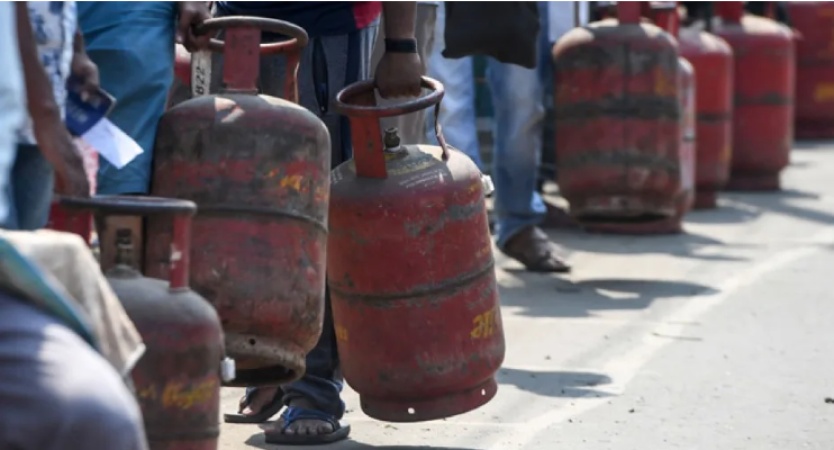
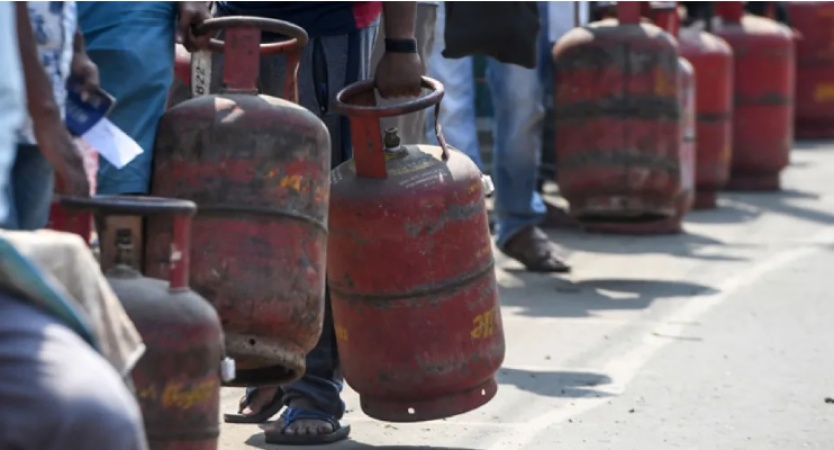
Retail prices of Liquefied Petroleum Gas (LPG), commonly known as cooking gas, could rise to as high as ₦2,500 per kilogram in the coming weeks as tightening depot supplies in Lagos and growing product hoarding by marketers deepen concerns over potential shortages, market checks by Petroleumprice.ng suggest.
Checks across the Lagos LPG market indicate that two major factors are driving the latest supply squeeze: declining product availability at key depots and deliberate stock retention by marketers seeking to benefit from anticipated price increases.
Industry sources told Petroleumprice.ng that the situation is largely concentrated in Lagos, Nigeria's largest LPG trading hub, where product availability has become increasingly limited despite strong market demand.
According to market participants, several marketers who previously acquired LPG cargoes are withholding stocks from the market in anticipation of higher prices. Sources said some traders are diverting volumes to markets outside Lagos where prices are significantly stronger, while others are hoarding inventories in expectation of further supply tightness.
The hoarding trend is occurring against a backdrop of weakening depot inventories.
Market checks indicate that NNPCL's LPG supply network in Lagos is currently experiencing limited product availability, while Ardova, which recently received approximately 12,600 Metric tonnes of LPG, has yet to commence significant market sales, further restricting supply circulation within the Lagos market.
Industry sources also reported that Navgas has oversold existing positions, creating additional pressure on available inventories and contributing to tightening spot market conditions.
Compounding the situation is lower-than-expected domestic production. Market participants say output from Dangote Petroleum Refinery remains below levels required to adequately bridge the supply gap currently emerging in the market.
The combination of constrained depot stocks, marketer hoarding and limited fresh supply inflows has heightened concerns across the LPG value chain.
"There is virtually no meaningful inflow expected immediately, and market participants are already positioning for tighter supply conditions," a depot source told Petroleumprice.ng.
The situation in Lagos contrasts sharply with developments in Port Harcourt, where Stockgap continues to supply LPG into the market. However, even there, prices have been rising rapidly. Market data reviewed by Petroleumprice.ng shows that Stockgap sold LPG at about ₦1,250 per kilogram earlier in the day before adjusting prices upward to approximately ₦1,450 per kilogram.
Although Port Harcourt remains relatively supplied, traders say the pricing trend reflects broader concerns about replacement costs and future availability.
Market analysts note that the current shortage fears are not being driven solely by low inventories. Instead, the expectation of tighter supplies ahead appears to be encouraging speculative stockholding among some marketers, reducing immediate market availability and amplifying upward pressure on prices.
The development comes at a time when LPG consumption continues to expand across Nigeria, making supply disruptions particularly significant for households and commercial users that rely on cooking gas as their primary energy source.
With depot inventories tightening, marketers retaining stocks and no major vessel arrivals currently visible on the supply horizon, industry participants warn that LPG prices could continue to climb, with the ₦2,500 per kilogram threshold increasingly emerging as a realistic market scenario if current conditions persist.