Loading content...
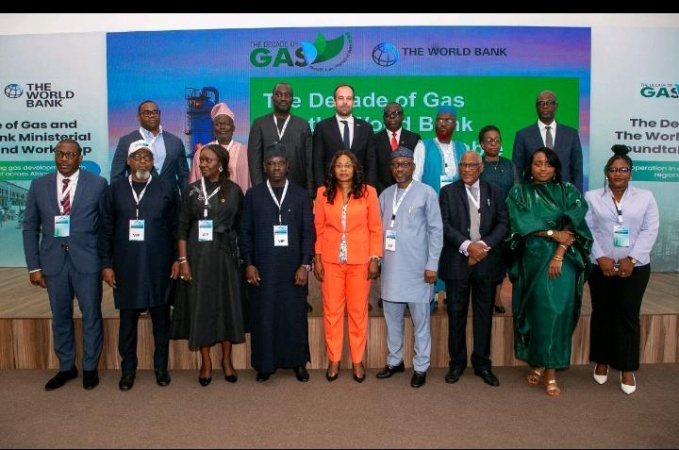
Nigeria Charts Energy Future at Decade of Gas, World Bank Workshop
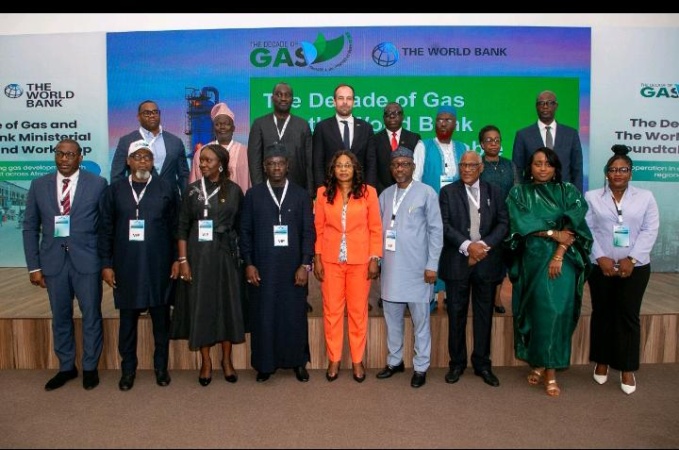
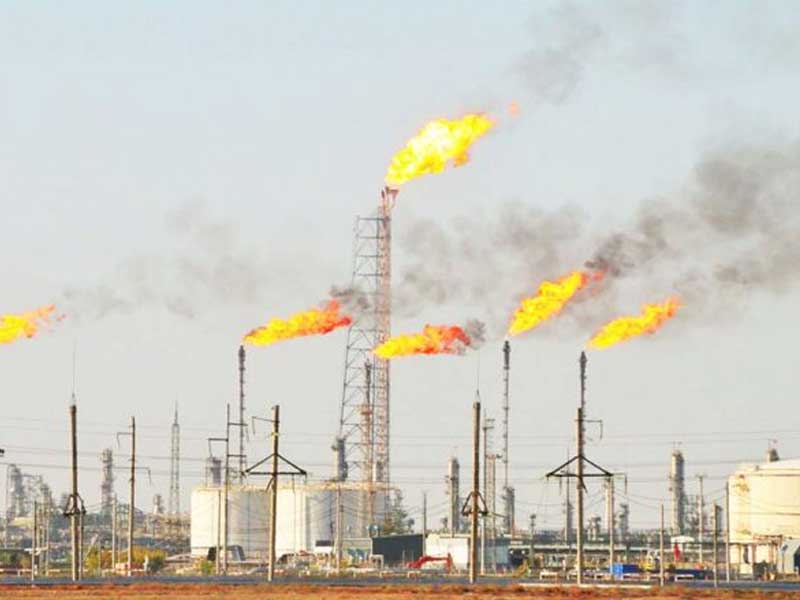
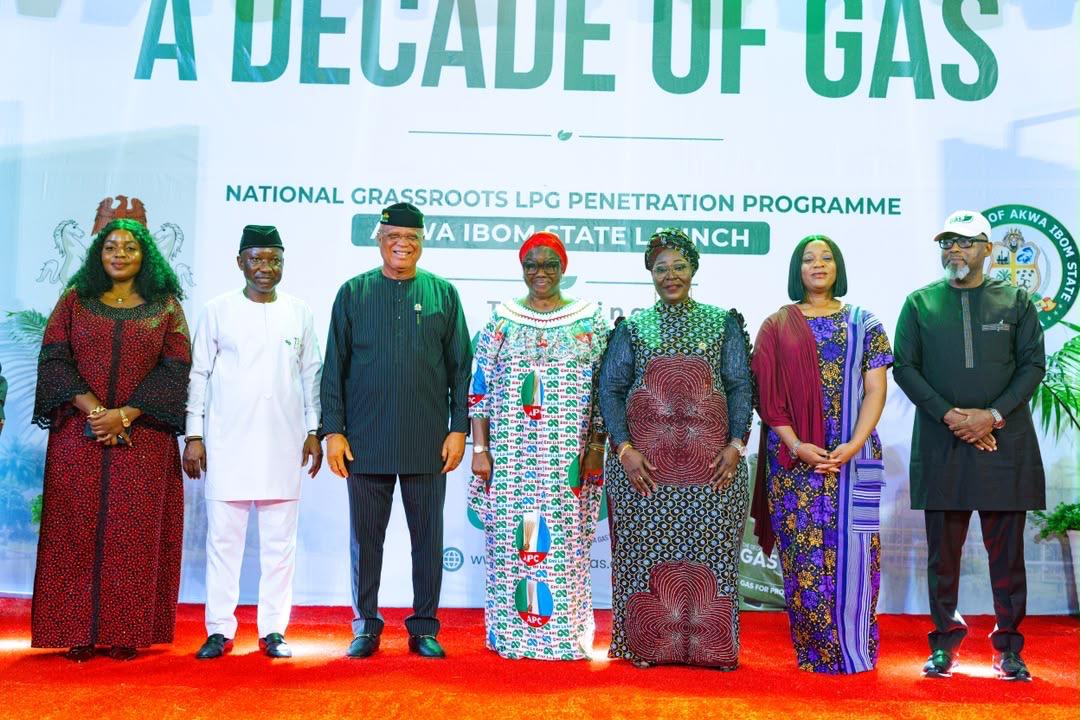
Nigeria has reaffirmed its strategic ambition to lead Africa’s energy transformation as it hosted the Decade of Gas and World Bank Ministerial Roundtable and Workshop 2026 in Abuja, convening top government officials, African energy ministers, development partners, and private sector investors. The high-level engagement served as a critical platform for advancing discussions on how to unlock the continent’s vast natural gas reserves to drive economic growth, enhance energy security, and accelerate a cleaner energy transition. Central to the deliberations was Nigeria’s vision of positioning itself as a regional gas powerhouse, leveraging its abundant resources to fuel industrialization, expand electricity generation, and reduce dependence on crude oil exports. Officials highlighted that Nigeria’s gas production has increased from 6.8 to 7.5 billion cubic feet per day, with an ambitious target of reaching 12 billion cubic feet daily by 2030, underscoring the country’s commitment to scaling output and meeting both domestic and regional demand.
The workshop also spotlighted the scale of investment opportunities within the sector, with over 200 gas projects currently being tracked nationwide and an estimated $22 billion required to develop critical infrastructure such as pipelines, processing plants, and distribution networks. Stakeholders emphasized that achieving these goals would depend heavily on strengthening public-private partnerships, improving regulatory frameworks, and ensuring policy consistency to attract long-term investment. Particular attention was given to regional integration, with calls for enhanced cross-border collaboration through major projects such as the Trans-Sahara Gas Pipeline, the West African Gas Pipeline, and the Nigeria–Morocco Gas Pipeline, all of which are seen as vital to creating a more interconnected and resilient African energy market.
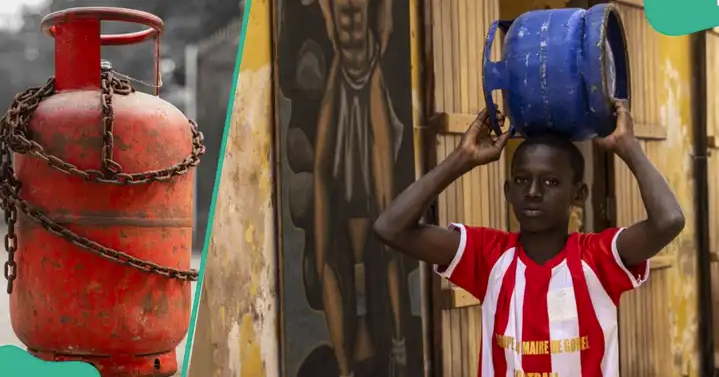
In its contribution, the World Bank reaffirmed its role as a key partner in supporting Africa’s energy transition, stressing the importance of developing bankable projects and mobilizing private capital at scale. The institution also underscored the need for harmonized policies across African countries to reduce investment risks and accelerate project delivery. Beyond infrastructure and financing, discussions at the roundtable addressed the broader socioeconomic impact of gas development, including its potential to expand access to clean cooking solutions, reduce reliance on firewood and charcoal, and contribute to environmental sustainability.
Analysts note that the timing of the workshop is particularly significant, as Nigeria and other African nations navigate global economic uncertainties, rising energy demand, and the urgent need to balance development with climate commitments. With Africa holding over 600 trillion cubic feet of proven gas reserves—much of it still untapped—the consensus among participants is that natural gas will play a pivotal role as a transition fuel, bridging the gap between traditional fossil fuels and renewable energy sources. Overall, the Decade of Gas and World Bank Workshop 2026 is being widely viewed as a decisive step toward transforming policy discussions into actionable investments, reinforcing Nigeria’s leadership in the sector, and charting a clearer path toward a more integrated, sustainable, and economically vibrant energy future for the continent.