Loading content...
Accelerating Nigeria’s gas development to deliver prosperity to Millions of Nigerians
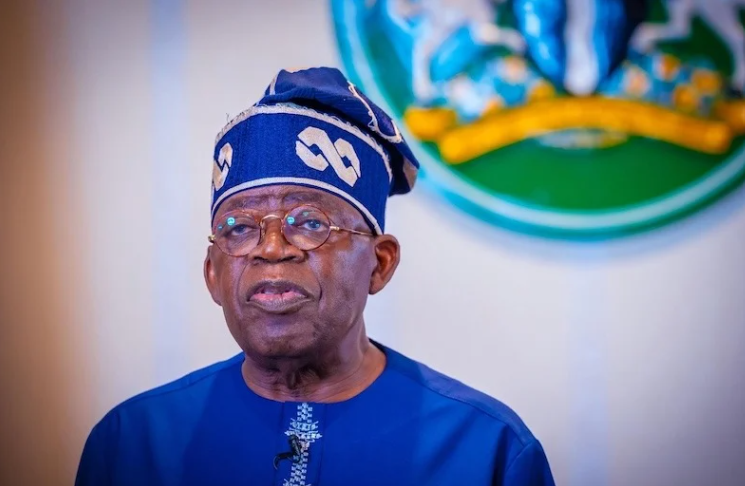
Nigeria’s Decade of Gas Initiative has recorded significant acceleration over the past two years under the administration of President Bola Ahmed Tinubu, driven by strong policy alignment, institutional collaboration, and the appointment of a dedicated Minister of Petroleum Resources (Gas), Rt. Hon. Ekperikpe Ekpo.
The renewed focus on gas has delivered measurable progress across the upstream, midstream, and downstream segments, reinforcing Nigeria’s ambition to become a gas-powered economy by 2030.
Gas Production and Supply Expansion
National gas production increased from 6.8 billion cubic feet per day (bcfd) in 2023 to approximately 7.5 bcfd in 2025. For the first time in Nigeria’s history, domestic gas supply crossed the 2 bcfd threshold. Over 1 bcfd of incremental supply has been unlocked through Final Investment Decisions (FIDs) and firm gas supply agreements, with export gas volumes rebounding to 2021 levels.
Restoring Confidence in Gas-to-Power
Investor and producer confidence in the gas-to-power value chain improved significantly following Presidential approval for the settlement of approximately ₦185 billion (over $500 million) in legacy debts owed to gas suppliers in the power sector. This intervention addressed long-standing payment bottlenecks that constrained gas supply to electricity generation.
Upstream Investment Revival
Between 2023 and 2025, three major gas projects—Iseni, Ubeta, and HI—reached Final Investment Decision. These commitments reflect renewed investor confidence and have mobilised over $2 billion toward Nigeria’s $30 billion gas investment target by 2030.
Global Gas Leadership and Advocacy
Nigeria strengthened its international gas diplomacy through high-level leadership roles within the Gas Exporting Countries Forum (GECF), including:
These positions reinforce Nigeria’s strategic voice in global gas policy and market coordination.
Domestic Pricing and Affordability
In support of affordability and investment sustainability, the domestic gas base price for 2025 was reduced from $2.42/MMBtu to $2.13/MMBtu, reflecting policy efforts to balance cost recovery with economic competitiveness.
Cooking Gas (LPG) Expansion
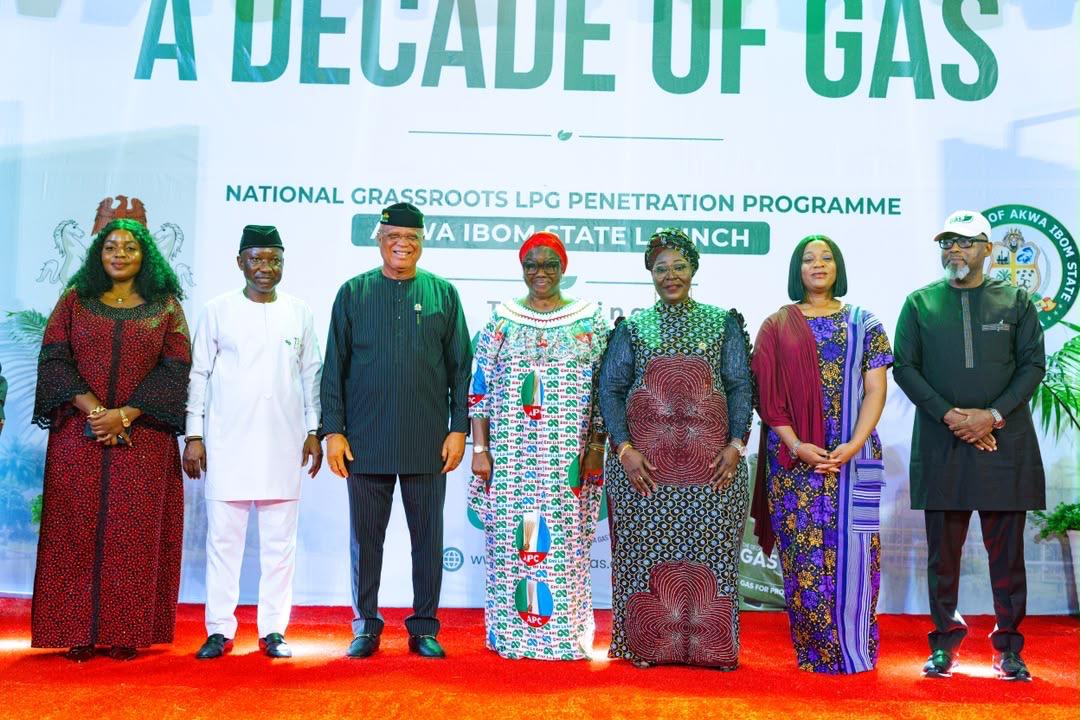
To deepen LPG penetration, the Ministry of Petroleum Resources (Gas) issued a directive mandating increased domestic LPG production. Two pilot LPG export redirection programmes were launched to prioritise local supply. In addition, the nationwide LPG Grassroots Penetration Programme was successfully rolled out across all six geopolitical zones, targeting women-led households. This initiative has laid the foundation for the planned delivery of one million clean-cooking homes annually between 2026 and 2030.
Gas Infrastructure Financing and Delivery
The Governing Council approved the Midstream and Downstream Gas Infrastructure Fund (MDGIF) to finance over 20 critical gas infrastructure projects essential to sector expansion. The programme represents an investment exceeding ₦287 billion, with over 50 per cent already disbursed and multiple projects at advanced stages of construction.
Key infrastructure milestones delivered by NNPC Limited include completion of mechanical welding and river crossings on the Ajaokuta–Kaduna–Kano (AKK) pipeline. The Escravos–Lagos Pipeline System (ELPS) recorded over 90 per cent availability in 2025, supporting industrial gas supply, while the OB3 pipeline river crossing is scheduled for completion in 2026.
Gas Utilisation and Job Creation
More than 50 gas utilisation projects have been identified across the midstream and downstream segments. When fully delivered by 2030, these projects are projected to unlock over four million direct and indirect jobs, reinforcing gas as a cornerstone of Nigeria’s industrialisation and energy transition strategy.
Rt. Hon. Ekperikpe Ekpo, Minister of State for Petroleum Resources (Gas), noted that the achievements reflect “a deliberate and coordinated effort to reposition gas as the engine of Nigeria’s economic growth, energy security, and environmental sustainability under the Decade of Gas Initiative.”